
Analyzing Christianity
The Google Ghost and the Endtimes Scare
While we were sleeping, thousands of people were plugging nonsense words into Google Translate to see what would happen.
Slowly, I’m working through the posts in our archive library like the Lone Ranger: Riding into town one day, fixing all its problems, and riding back out to the sunset afterward. I’ve got about 2200 posts to fix, and I’ll get to them all in time!
While we were sleeping, thousands of people were plugging nonsense words into Google Translate to see what would happen.

Most people have likely heard of the Bible verse advising that people must be born again in order to avoid the monstrous Hell that the Christian god created. To be sure, most Christians know about it. Fundagelicals take that idea more seriously than most other Christians do, though. I’ll show you what that phrase means to them, and why they tend to do it way more than just once.

Their behavior might seem just bizarre, but it all makes perfect sense when we understand what they really hope to achieve. Today, I’ll show you three different ways that such people act out–and why they do it. You’ll see that they’re getting exactly what they want, in that moment.
Christians seeking to sell their religion to others rely on two main methods. They can try to sell their religion on its own merits. Or they can try to knock down whatever they view right then as their main competition. It’s a big ole game of Last Ideology Standing, and for some reason it’s not working as well as expected these days.

Christian leaders push hard to get their flocks to adopt rigid, unworkable rules about marriage. There’s a reason for it, of course.

Last time we met up, we looked at Lydia McGrew’s take on it. She wrote a sort of Argument from Jesus’ Resurrection Totally Happened So Christianity Itself Is Totally True. Among its many flaws, her essay revealed a huge shortcoming in Christians’ thinking. I’ll show you what that shortcoming is–and why it’s such a dealbreaker.

The assault had a horrific effect on her emotionally, of course. She sought help afterward from the church’s associate pastor. It isn’t her fault she believed what trusted adults told her about themselves.
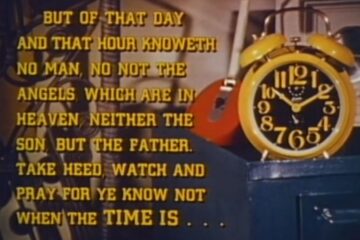
It’s been so eye-opening for me to see just how deeply and painfully these movies have affected so many people with their terrifying, traumatizing message. I’ve heard from a great many people over this past week who wanted to share how frightened they’d been by these movies. So we’re going to be looking at why these movies had the effects they did. I’ll start with a retrospective–come join me!
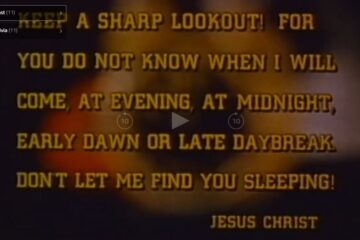
This is the mega-review of A Thief in the Night, which is one of the big granddaddies of Christian Rapture porn. It’s a movie where nothing happens and none of the characters are distinguishable except by hairstyle, and yet somehow it traumatized millions and millions of Christians in the 1970s and Read more

When it comes to fundagelical Christianity, few things make as little sense to outsiders to that culture as its collective near-obsession with all things Judaism. I’m going to start the party off by showing you the bizarre doctrinal belief of supersessionism, which explains why Christians have such a love-hate relationship with Judaism generally.